By Mike Barrett
November 20, 2026
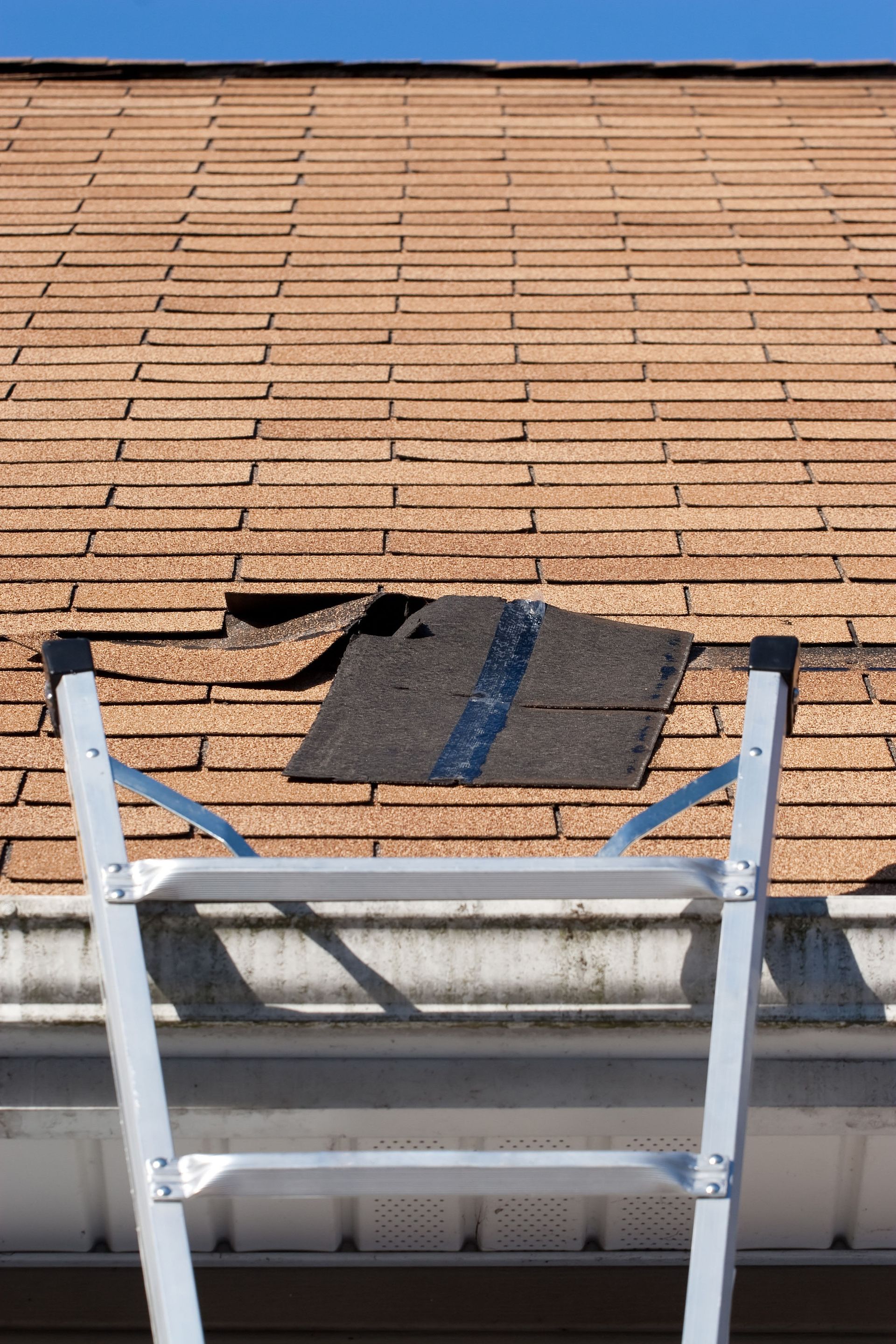
Stepping outside after a severe thunderstorm or high wind event and spotting torn shingles scattered across your lawn is enough to make any homeowner's stomach drop. Even a few bare patches along your roofline leave your home exposed to rain, humidity, and further wind damage if another storm rolls through. Knowing what steps to take right away—and which mistakes to avoid—keeps a manageable exterior issue from turning into a major interior headache. By documenting visible storm clues from the ground and scheduling timely roof repairs with qualified professionals, you can restore your roof's protective barrier quickly and keep your household safe and dry.
Staying Safe on the Ground After Severe Weather
Your first priority after severe weather passes is keeping yourself and your family completely safe while assessing the exterior of your home. Wet shingles, loose granules, and hidden structural soft spots make rooftops dangerously slick after heavy rain and wind, which is why rooftop evaluations belong strictly to trained professionals. Instead, walk around your property at ground level and use binoculars to scan each slope for lifted edges, bare dark patches, or bent metal flashing. Keeping both feet firmly on the grass lets you gather helpful initial observations while leaving elevated inspections and roof repairs to licensed, properly equipped contractors.
Understanding How Missing Shingles Expose Your Roof Deck
Every shingle on your roof works as part of an overlapping watershed system designed to channel rainwater smoothly toward your gutters. When fierce gusts rip away even a handful of tabs, the exposed nail holes and synthetic or felt underlayment underneath are suddenly forced to handle weather conditions they were never meant to endure alone. Sunlight quickly degrades uncovered underlayment, while wind-driven rain can seep around fastener openings and soak into the wooden roof decking below. Prompt roof repairs replace those missing protective layers before moisture spreads into attic insulation, ceiling drywall, or structural framing.
Checking Your Yard and Gutters for Storm Debris Clues
Sometimes the clearest evidence of storm impact sits right in your yard rather than in plain sight from the driveway. Walk the perimeter of your house and look closely for torn shingle pieces, creased tabs, or bent ridge cap sections blown into flower beds, hedges, and neighboring grass. Check the ground beneath your downspouts as well, since heavy piles of dark mineral granules indicate that wind or hail battered your roof surface during the storm. Noting which side of your home took the heaviest debris helps contractors pinpoint vulnerable slopes and plan thorough roof repairs.
Documenting Visible Storm Damage for Insurance Records
Before you clear torn shingle fragments off your lawn or tidy up storm debris around the yard, take a few minutes to document everything clearly. Use your smartphone to capture wide shots of each side of your home alongside close-up photos of fallen shingles, dented gutters, and bare roof spots visible from the ground. Jot down the exact date and time the storm hit your neighborhood so your timeline stays accurate. Organized visual records make filing a homeowners insurance claim far smoother and give your contractor clear reference material when estimating necessary roof repairs.
Watching for Subtle Interior Signs of Water Intrusion
A missing shingle does not always produce an immediate puddle on your living room floor, especially if your roof underlayment slows water down at first. Over the days following a storm, pay close attention to upper-floor ceilings, interior walls near chimneys or plumbing vents, and the underside of your roof deck inside an accessible attic. Faint brown water rings, peeling paint, damp insulation, or a sudden musty smell often signal that rainwater has slipped past compromised shingles. Catching these subtle early warnings allows technicians to complete targeted roof repairs before hidden moisture triggers costly mold growth.
Recognizing Hidden Wind Lifting Around Missing Tabs
High winds rarely pluck out isolated shingles without stressing the surrounding rows across the same slope. As powerful gusts whip across a roofline, they often break the factory adhesive seal strips on neighboring shingles, lifting and creasing their fiberglass mats even when those tabs settle back down afterward. From the street, those adjacent rows might look completely intact, yet their wind resistance is severely weakened. During professional roof repairs, experienced technicians carefully check surrounding courses for broken seals and crease lines so slightly lifted shingles do not tear loose during the next breezy afternoon.
Matching Shingle Style and Profile for Seamless Results
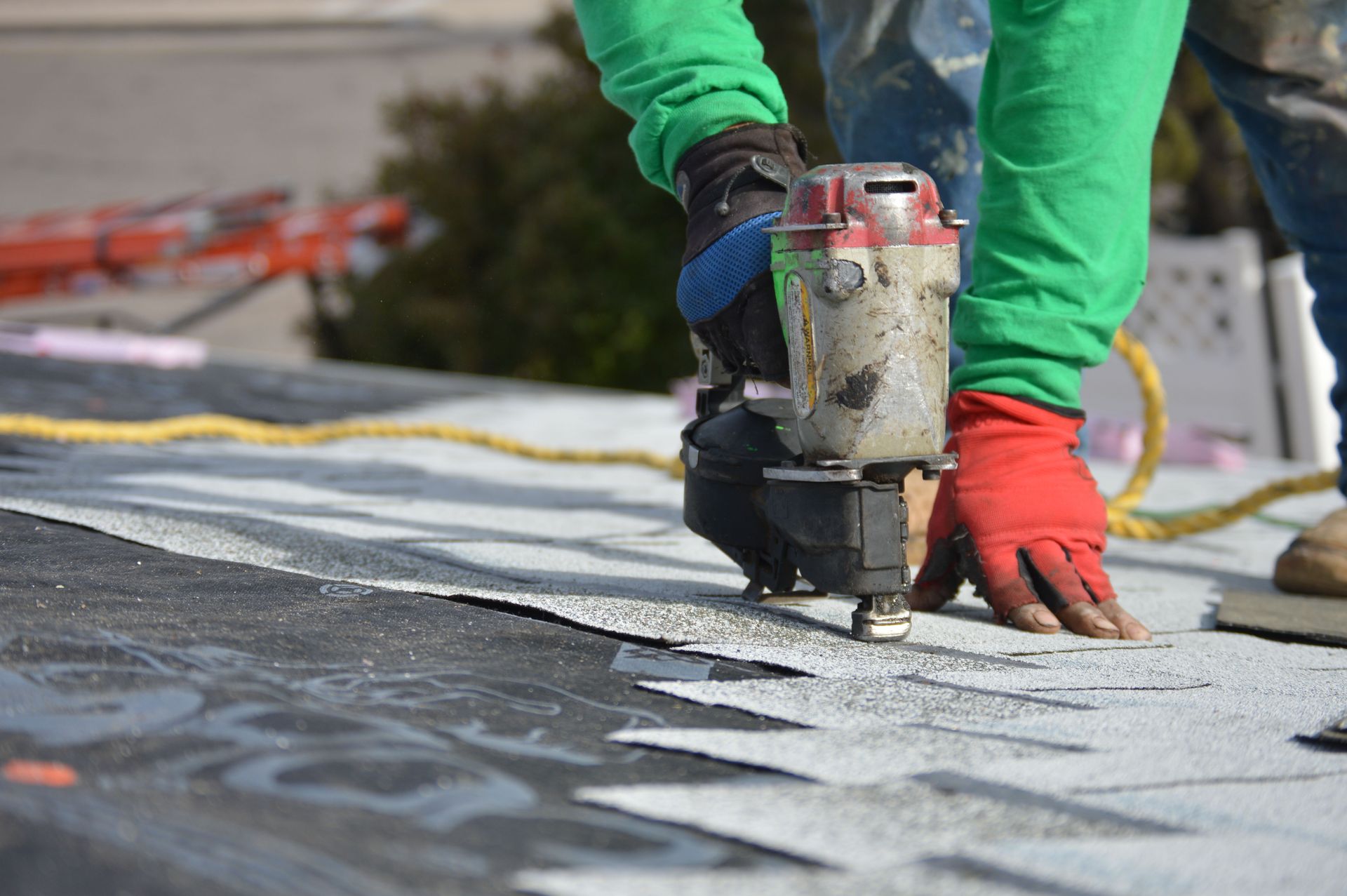
Restoring a storm-damaged roof involves much more than nailing down any leftover shingle bundle that happens to be a similar shade of gray or brown. Shingle thickness, wind rating, granule blend, and dimensional profile all play key roles in both weather performance and cohesive curb appeal. According to This Old House, two or more layers and multi-sized 3D tabs give architectural shingles their textured appearance. Matching your home's existing shingle style and manufacturer profile during roof repairs ensures new tabs lock properly into surrounding courses while keeping your roofline looking uniform and attractive from the street.
Protecting Your Home With Emergency Tarping Services
When a major windstorm strips away a wide section of shingles and another round of rain is already heading toward your area, leaving the roof deck exposed is not an option. Professional roofing crews provide emergency tarping services that shield bare areas from incoming rain without causing additional damage to surrounding shingles. Trained technicians secure heavy-duty waterproof tarps neatly over ridge lines and vulnerable slopes so water sheds safely off the roof edge. That reliable temporary barrier keeps your attic and ceilings dry until permanent roof repairs can be scheduled and completed.
Understanding How Delaying Action Increases Overall Costs
When the sun comes back out after a storm and your ceilings look dry, it is tempting to push exterior maintenance down your to-do list. Unfortunately, waiting weeks or months to address missing shingles almost always drives up total restoration expenses. Each passing rainstorm saturates exposed underlayment, swells wooden roof sheathing, and compromises attic insulation efficiency. What begins as a straightforward shingle replacement can quickly escalate into rotted decking boards, stained drywall, and lingering moisture issues. Scheduling timely roof repairs protects your home's structural health and saves you from far larger repair bills later.
Scheduling a Comprehensive Post-Storm Roof Inspection
Binocular checks from your driveway are a smart starting point, yet only a thorough hands-on evaluation reveals the full extent of storm wear across your roofline. Licensed roofing professionals safely examine every slope, valley, ridge cap, and metal flashing seam to spot torn tabs, lifted seals, and subtle wind or hail bruising that cannot be seen from below. Afterward, they walk you through clear findings and photos so you understand exactly what your roof needs. A detailed post-storm inspection ensures your roof repairs resolve every weak spot cleanly and restore long-term weather protection.
Discovering missing shingles after a storm can feel overwhelming, yet taking calm, practical steps right away puts you back in control of your home's protection. By staying safely on the ground, documenting storm debris, watching for subtle interior moisture clues, and acting quickly before minor wind damage spreads, you protect both your property value and your peace of mind. When severe weather leaves your roofline vulnerable, partnering with skilled professionals ensures durable roof repairs that stand strong against future storms. Contact Barrett Roofing Company today to schedule your post-storm roof inspection and get your home back to full strength.